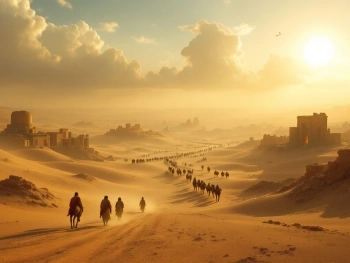
Joseph's story is where Egypt first becomes more than a backdrop in the Bible. It becomes a functioning political world: a place of dreams, grain, bureaucracy, famine planning, and imperial power.
From Slave to Administrator
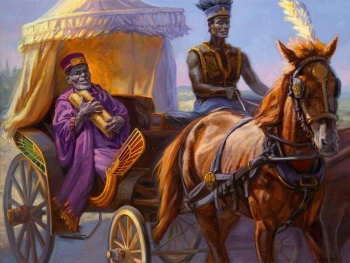
Joseph enters Egypt as a trafficked outsider and rises, through a chain of reversals, into one of Pharaoh's most trusted officials. That rise gives the biblical narrative one of its earliest and clearest portraits of political administration inside a major ancient kingdom.
Why Famine Matters
The famine in Joseph's story is not only a family crisis. It is the mechanism that brings Jacob's household into Egypt and sets up everything that follows in the Exodus narrative generations later.
Egypt as a Grain Power
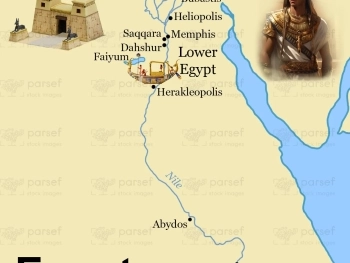
The story makes geographic sense because Egypt's agricultural strength depended on the Nile and its predictable flooding. In biblical storytelling, that made Egypt a believable refuge in years when surrounding lands faced scarcity.
Goshen as Settlement Space
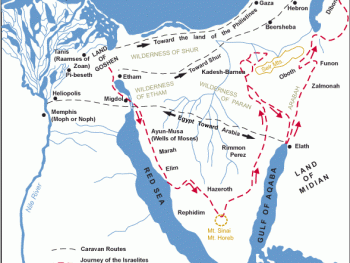
When Joseph's family arrives, they settle in Goshen, a region associated with the eastern Delta. This placement matters because it helps explain how the Israelites could prosper, expand, and remain a distinct group within Egypt.
A Family Story With Political Reach
What begins as a conflict among brothers ends as a migration story with regional consequences. Joseph's role inside Pharaoh's court turns a private wound into a national relocation, which is one reason this narrative feels so consequential even before the Exodus begins.
Download High Resolution 300 DPI File Egypt in the Bible: Joseph and the Famine