The Ten Plagues are among the Bible's most dramatic sequences, but they also form a carefully structured confrontation between divine authority and imperial power. Read in context, they do more than shock: they dismantle Egypt's confidence step by step.
More Than Disaster Scenes
Each plague increases the pressure on Pharaoh and raises the stakes of refusal. The sequence builds from environmental disruption to national trauma, turning the Exodus narrative into an escalating contest over who truly holds authority in Egypt.
Egypt as the Setting
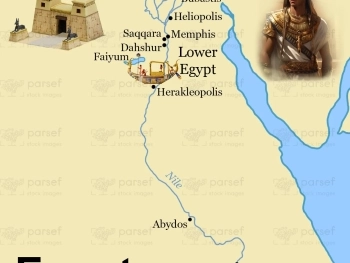
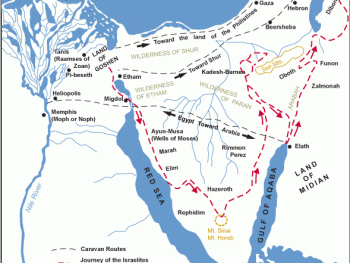
The Nile, livestock, crops, darkness, and firstborn status all make sense specifically in an Egyptian setting. That geographic specificity is part of what gives the plague narrative its force: these are not abstract punishments, but blows aimed at the foundations of Egyptian life.
Symbolic Interpretation
Many readers have noted that the plagues can be understood not only as acts of judgment but also as symbolic challenges to the order Egypt represented. Whether one reads them literally, theologically, or both, their narrative role is unmistakable.