We've walked through enough ruins by now to know the difference between a site built for tourists and one still actively being excavated, and Africa's biblical archaeology sites overwhelmingly fall into the second category. Much of the physical evidence connecting this continent to biblical history isn't sitting in a museum - it's still half-buried in sand, waiting for the next dig season.
Egypt: Excavating the World of the Old Testament
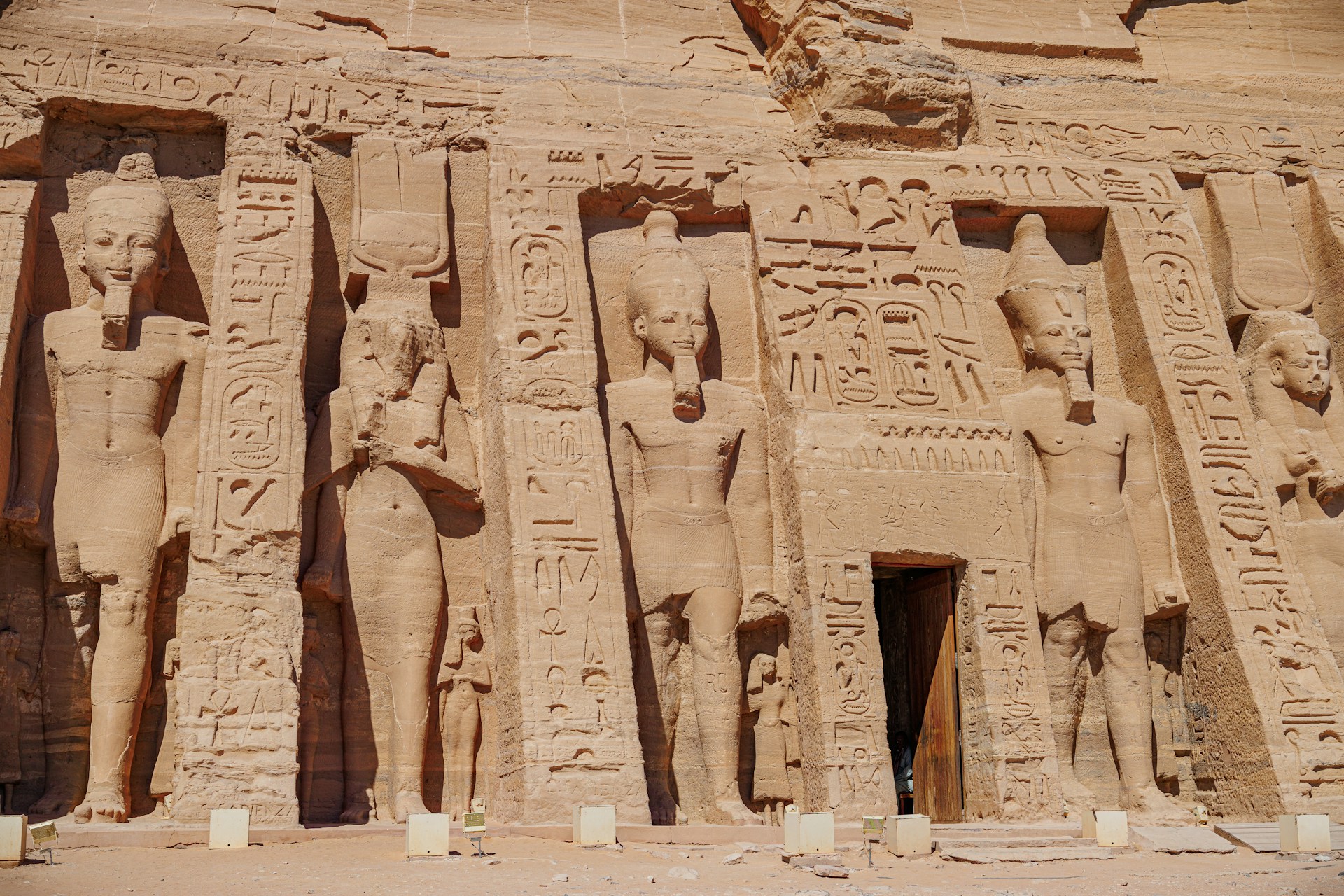
Egyptian archaeology has produced some of the most direct physical connections to Old Testament narratives anywhere in the world, from inscriptions referencing Semitic populations in the eastern Delta to store cities and administrative records that align with the biblical account of Israelite settlement before the Exodus. Excavations at sites like Pi-Ramesses and Tell el-Dab'a have given historians and archaeologists physical context for a period the Bible describes in narrative rather than dates.
Walking through an active excavation trench near the Nile Delta, watching a team carefully brush sand away from mudbrick foundations thousands of years old, gave us a far more tangible sense of this history than any museum display could.
Nubia: Kush's Buried Kingdoms
Sudan's Nubian sites, corresponding to the biblical Kush referenced throughout the Old Testament, remain some of the least excavated in the entire region, largely due to limited funding and infrastructure compared to Egypt. Archaeologists working at sites like Kerma and Meroe have uncovered evidence of a sophisticated civilization contemporaneous with key Old Testament periods, yet a significant percentage of Nubian sites are believed to remain completely unexcavated.
Standing among the pyramids of Meroe, smaller and steeper than Egypt's but numbering in the hundreds, we couldn't help noticing how much of this history simply hasn't been dug up yet.
Ethiopia and Aksum's Archaeological Layers
The ancient city of Aksum, tied by tradition to the Queen of Sheba and the Ark of the Covenant, has undergone decades of archaeological work uncovering massive stelae, royal tombs, and inscriptions written in Ge'ez, Sabaean, and Greek. These excavations have helped historians piece together Aksum's role as a major trading power in the ancient world, one with documented contact with both the Roman and biblical Near Eastern worlds.
Much of Aksum's archaeology remains ongoing, and several tombs and structures we visited had only been fully excavated within the last few decades, a reminder of how recent much of this knowledge actually is.
Interpreting Evidence Versus Tradition
One of the more difficult aspects of biblical archaeology is separating documented physical evidence from long-held religious tradition, and reputable archaeologists working across Egypt, Sudan, and Ethiopia are generally careful to distinguish between the two. We tried to reflect that same care in how we approached each site, treating traditions like the Ark's location in Aksum as culturally and historically significant without presenting them as archaeologically confirmed fact.
The Role of Local Archaeological Teams
Much of the most significant recent work at these sites has been led by local Egyptian, Sudanese, and Ethiopian archaeologists and institutions, a shift from earlier eras when foreign expeditions dominated excavation efforts. Speaking with researchers on-site gave us a much richer understanding of ongoing debates within the field than secondary sources ever could.
Visiting Active and Preserved Sites
Several of these locations, including parts of Tell el-Dab'a and areas around Aksum, allow visitors to observe active or recently completed excavation work alongside preserved structures already open to the public. Advance coordination through local archaeological authorities or academic institutions is usually necessary to view active dig sites, though preserved areas and site museums remain accessible with standard travel planning.
Planning a Research-Focused Trip
Egypt offers the most developed archaeological tourism infrastructure of the three regions, with established museums and site access near most major excavation areas. Sudan and Ethiopia require more independent planning and local guide coordination, but the relative lack of crowds at their archaeological sites offers a rarer, closer look at ongoing biblical archaeology than more heavily touristed Egyptian sites typically allow.