Few countries pack as much contrast into a single trip as Ethiopia. Within the same two weeks, we photographed volcanic salt flats hot enough to warp the air, rock-hewn churches carved a thousand years ago, and tribal ceremonies in the Omo Valley that felt like stepping into a different century entirely.
The Highlands and Lalibela's Rock Churches
We started in the northern highlands, in the town of Lalibela, where eleven medieval churches were carved directly downward into solid volcanic rock rather than built upward in the traditional sense. Walking through the narrow trenches surrounding Bete Giyorgis, the most famous of the churches, and looking down at its cross-shaped roof from ground level, gave us one of the more disorienting and memorable photographic angles of the entire trip.
Pilgrims still visit these churches for active worship, not as museum pieces, and we made a point of photographing quietly and respectfully during services rather than treating the site purely as a backdrop.
Simien Mountains: Ethiopia's Highland Wilderness
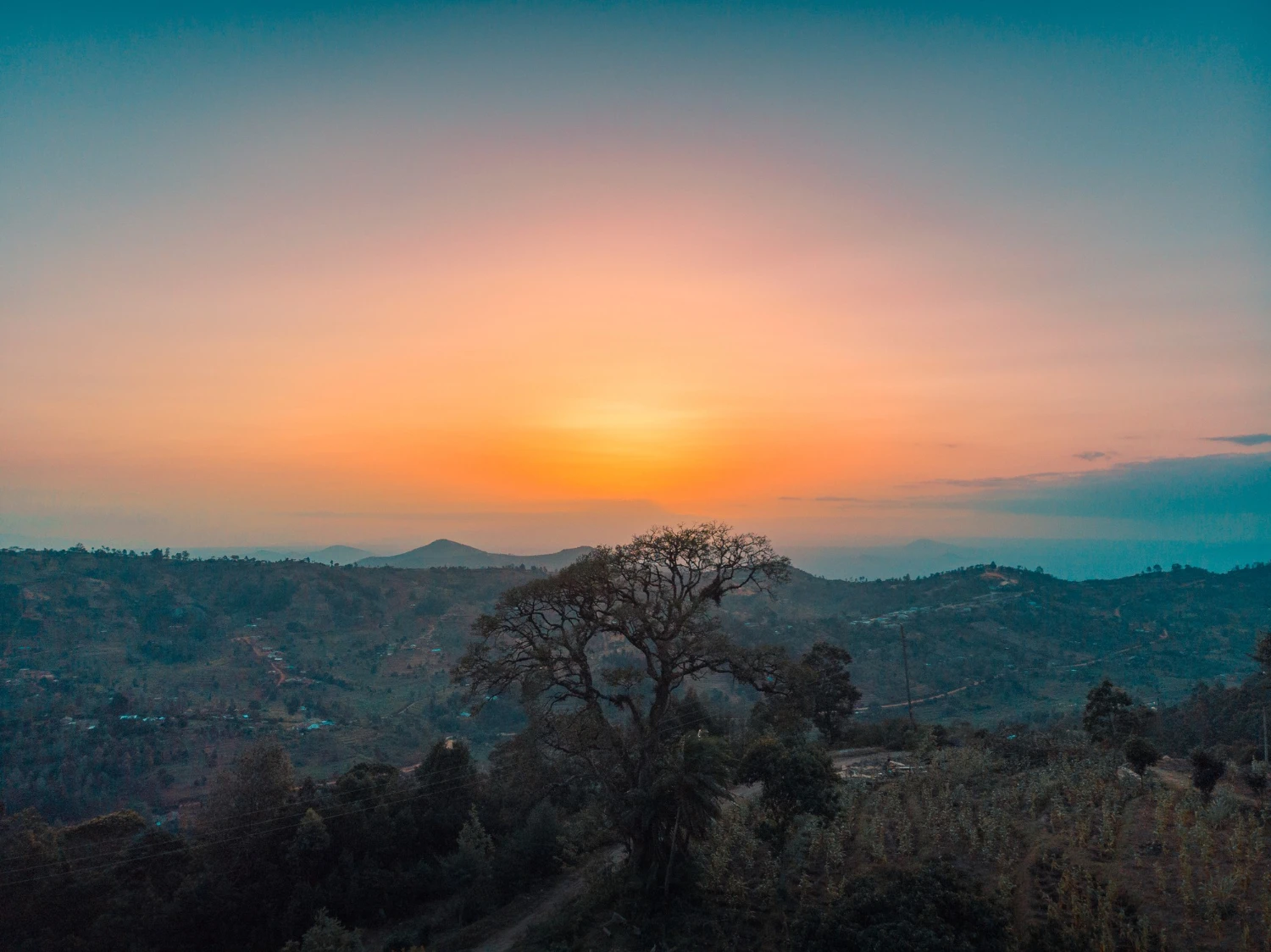
A few hours from Lalibela, the Simien Mountains offered a completely different visual register - dramatic escarpments dropping thousands of meters, and troops of gelada monkeys grazing calmly on cliffside grass, seemingly unbothered by our presence. We spent two days hiking here, and the combination of altitude and scale made for some of the widest, most sweeping landscape shots of the whole journey.
The Danakil Depression: One of Earth's Harshest Places
From the cool highlands, we dropped into the Danakil Depression, one of the hottest and lowest places on Earth, where active volcanic activity and vast salt flats create a landscape that feels almost otherworldly. Photographing the sulfur-colored pools of the Dallol crater at sunrise, before temperatures became unbearable, required an early start and a guide who clearly knew exactly how much heat we could handle before turning back.
The Omo Valley: A Mosaic of Tribal Cultures
No part of this trip affected us more than the days we spent in the Omo Valley, home to some of Africa's most distinct and least-documented tribal groups. We spent time with the Hamer, known for their bull-jumping coming-of-age ceremonies, and later with the Mursi, whose women wear large clay lip plates as a marker of beauty and status within their community.
Every visit here was arranged through local guides with existing relationships in each village, and every photograph came only after a conversation and clear consent - a slower process, but the only way we felt comfortable working in communities that see relatively few outside visitors.
Bull Jumping and Coming of Age
Witnessing a Hamer bull-jumping ceremony firsthand was unlike anything either of us had photographed before - a young man leaping across the backs of a line of cattle as a rite of passage into adulthood, watched and celebrated by the entire community. The energy of the event made for chaotic, imperfect shots at first, and it took real patience to find moments of stillness within the movement.
Lake Tana and the Blue Nile's Source
Further north, Lake Tana offered a quieter, calmer stretch of the trip, its islands home to centuries-old monasteries accessible only by traditional papyrus boats. We photographed the Blue Nile Falls nearby, though we were told the flow has diminished significantly since a nearby hydroelectric dam was built, a reminder that even Ethiopia's landscapes are shaped by ongoing change.
A Country of Contrasts
What struck us most, moving between the highlands, the desert, and the Omo Valley, was how little these regions resembled each other despite sitting within the same national borders. Ethiopia felt less like one destination and more like several distinct worlds, each demanding a different photographic approach and a different kind of patience.
Planning Your Own Trip
The dry season, from October to March, offers the most comfortable conditions for both highland trekking and Omo Valley travel, avoiding the region's heavier rains. Domestic flights connect Ethiopia's major regions efficiently, though reaching the Omo Valley and Danakil Depression still requires long overland drives and a guide experienced with each area's specific logistics and cultural protocols.