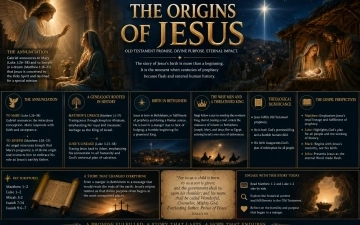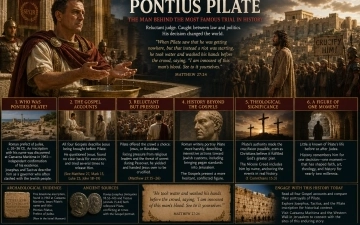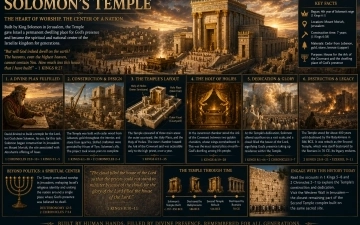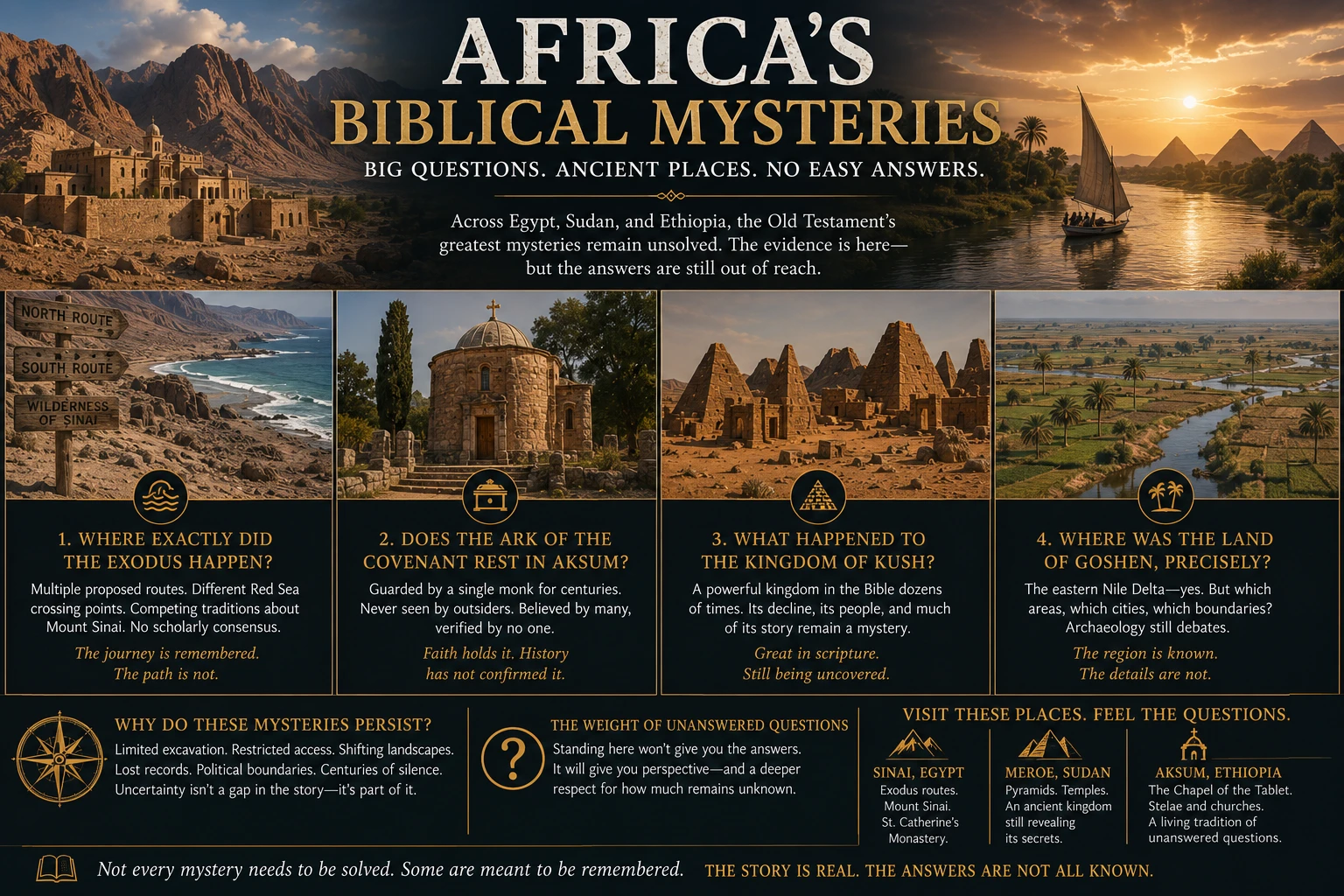
After years of tracing biblical geography through Egypt, Sudan, and Ethiopia, we've come to accept something most travel writing glosses over: a surprising number of the Old Testament's biggest mysteries are rooted specifically in Africa, and none of them have tidy, agreed-upon answers. Standing at these sites doesn't resolve the questions - it just makes you feel their weight more directly.
Where Exactly Did the Exodus Happen?
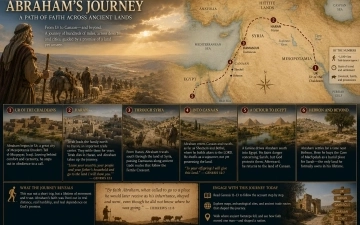
The traditional Exodus route through the eastern Nile Delta, across a body of water often translated as the "Red Sea," and into the Sinai wilderness remains one of the most debated geographic questions in biblical scholarship, with historians and archaeologists proposing several different possible crossing points and routes. We've walked stretches of the traditionally accepted route near the Sinai, and even local guides steeped in the region's history will tell you plainly that no consensus exists on the exact path.
Mount Sinai itself, where tradition holds Moses received the Ten Commandments, has multiple candidate locations proposed by different scholarly traditions, with the mountain near St. Catherine's Monastery being the most historically venerated but not universally accepted as the precise site.
Does the Ark of the Covenant Really Rest in Aksum?
Ethiopia's claim that the Ark of the Covenant resides in the Chapel of the Tablet in Aksum remains one of the most enduring and unresolved biblical mysteries anywhere in the world, guarded by a single monk and never independently verified by outside examination. We photographed the chapel's modest exterior in Aksum, aware that this is a mystery that may simply never be solved, by design as much as by circumstance.
What Happened to the Kingdom of Kush?
The Old Testament references Kush, corresponding to ancient Nubia in modern Sudan, dozens of times as a significant regional power, yet its eventual decline and the fate of much of its material culture remain incompletely understood due to how little of the region has actually been excavated. Walking among the pyramids of Meroe, we found ourselves surrounded by a civilization the Bible clearly took seriously, but one that modern archaeology has only partially reconstructed.
Where Was the Land of Goshen, Precisely?
While the eastern Nile Delta is broadly accepted as the region described as the biblical Land of Goshen, the exact boundaries and specific sites associated with Israelite settlement there remain a subject of ongoing archaeological debate, with several competing candidate locations proposed over the decades. Standing in the Delta region most commonly associated with Goshen, it's striking how much of this identification still rests on inference rather than definitive proof.
Why These Mysteries Persist
A common thread across all of these unresolved questions is the same imbalance we keep encountering throughout Africa's biblical history - limited excavation funding in Sudan, restricted access in Aksum, and millennia of shifting geography in the Nile Delta and Sinai, all conspiring to keep certainty just out of reach. We've learned to treat that uncertainty as part of the story rather than a problem to be solved, since pretending otherwise would misrepresent what the evidence actually supports.
Sitting With Unresolved Questions
What we've taken from years of visiting these sites isn't a set of answers, but a deeper respect for how much of biblical history remains genuinely open, contested, and still being investigated. That uncertainty, if anything, makes standing at these locations feel more honest than visiting a site with a definitive plaque and a settled narrative.
Visiting These Sites Today
Egypt's Sinai and Delta regions offer the most accessible entry point for travelers curious about the Exodus debate, with established infrastructure around sites like St. Catherine's Monastery. Sudan and Ethiopia require more independent planning, but visiting Meroe and Aksum in person offers a rare, firsthand encounter with mysteries that, as of now, remain genuinely unresolved.