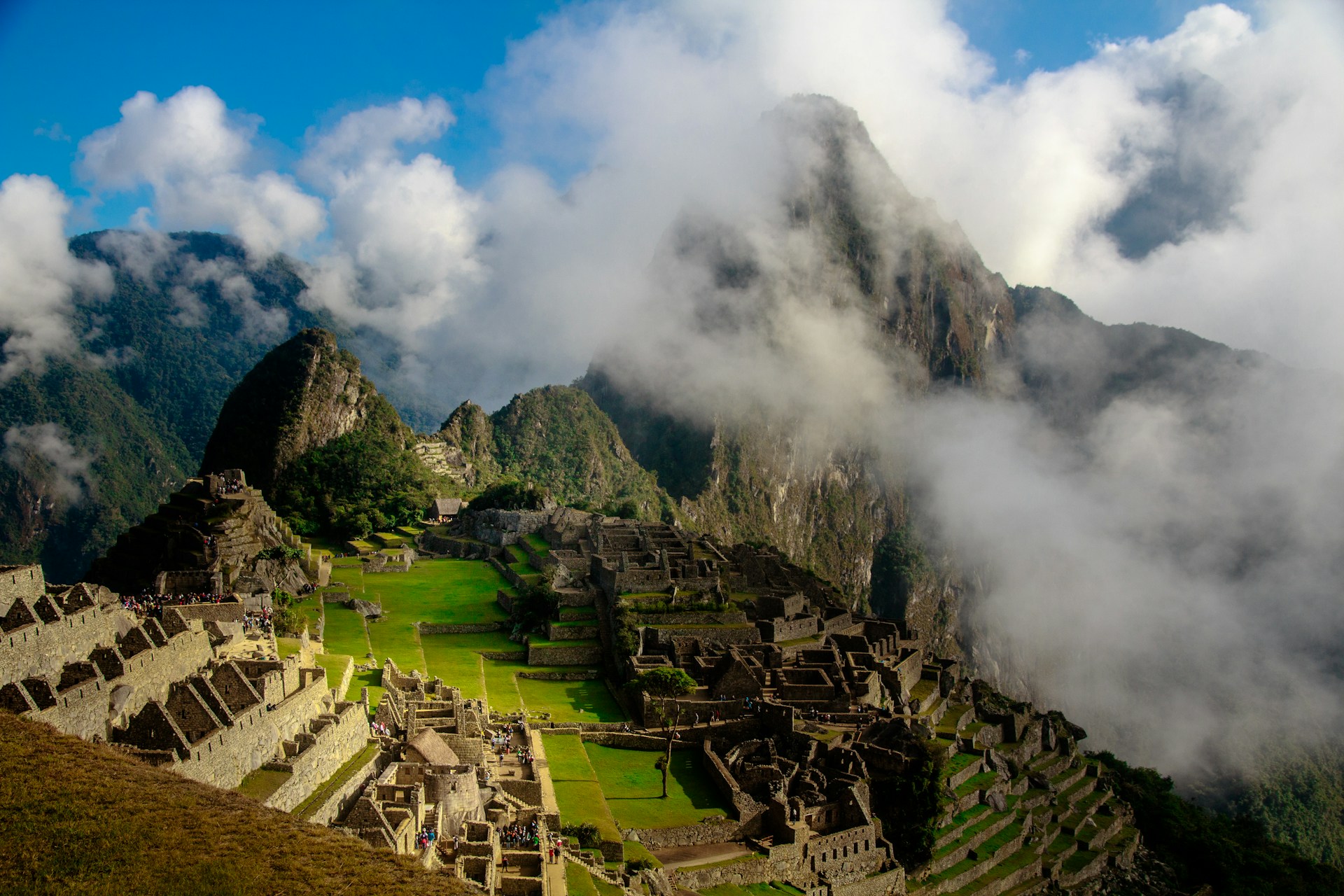
We reached the Sun Gate just before dawn, lungs still burning from the last stretch of trail, and watched Machu Picchu emerge out of the mist exactly the way every photo promises it will. It's a rare thing for a place to actually live up to its own hype, but standing there with a camera in hand, we understood immediately why this citadel has become one of the most photographed ruins on Earth.
Cusco: The Gateway and the Warm-Up
Most trips into Inca territory start in Cusco, and we're glad ours did - the city itself is a working museum, with Spanish colonial buildings sitting directly on top of original Inca stonework. Walking through the narrow streets near Qorikancha, we kept noticing how the massive, perfectly fitted stone blocks of Inca construction poke through beneath later colonial walls, a physical layering of two empires in a single wall.
Cusco also sits at roughly 3,400 meters, and we spent two full days there before heading further into the mountains, mostly to let our bodies adjust before the altitude got more serious.
The Sacred Valley's Living Ruins
Between Cusco and Machu Picchu lies the Sacred Valley, dotted with Inca sites that see a fraction of the crowds but offer just as much photographic reward. Pisac's terraced hillsides curve around the mountainside in a way that's almost impossible to capture in a single frame, while the fortress at Ollantaytambo - one of the few places the Inca actually won a battle against the Spanish - gave us some of our favorite shots of the entire trip thanks to its steep, dramatic staircases.
We found the Sacred Valley far less rushed than Machu Picchu itself, which made it easier to slow down, wait for the right light, and actually talk to the local guides working the sites.
Machu Picchu: Earning the View
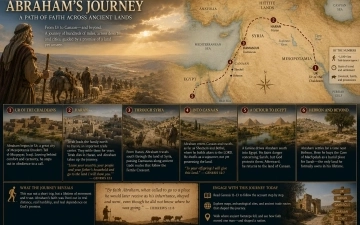
We chose to hike in via a shorter alternate trail rather than the classic four-day Inca Trail, partly due to time and partly to avoid the months-long permit booking window the full trail requires. Either way, arriving on foot rather than by bus changes the experience entirely - there's a sense of earning the view that we don't think we would have felt otherwise.
Photographing the citadel itself meant working around the crowds that build steadily through the morning, so we prioritized the earliest entry slot available and found the terraces nearly empty for the first hour.
Beyond Machu Picchu: Choquequirao and the Road Less Traveled
For travelers with more time, Choquequirao offers what Machu Picchu might have felt like decades ago - a multi-day trek to reach ruins that see only a small fraction of the visitors, with llamas grazing across stone terraces and almost no other tourists in sight. We didn't make it there on this trip, but everyone we spoke to who had described it as the ruins experience Machu Picchu used to be.
Photographing With Context
Every ruin here carries centuries of history that's easy to miss if you're only looking through a viewfinder, so we made a point of hiring local guides at each major site rather than relying on printed guides alone. Understanding the astronomical alignments built into sites like Machu Picchu's Intihuatana stone changed how we framed several shots entirely, turning them from scenic backdrops into deliberate compositions.
Planning Your Own Trip
The dry season, from May to September, offers the clearest skies and best photography conditions, though it's also peak crowd season, so booking Machu Picchu tickets and train seats well in advance is essential. Altitude sickness is a real concern for anyone flying directly into Cusco, and we'd strongly recommend building in at least one full rest day before any strenuous hiking begins.