We've spent years documenting Africa's landscapes and tribes, but nothing prepared us for the quiet weight of standing in places named directly in scripture - walking through the region historically identified as the Land of Goshen, or climbing toward a church in the Ethiopian highlands said to house the Ark of the Covenant. This continent holds some of Christianity and Judaism's oldest physical evidence, and much of it remains far less visited than it deserves.
Egypt: Following the Exodus
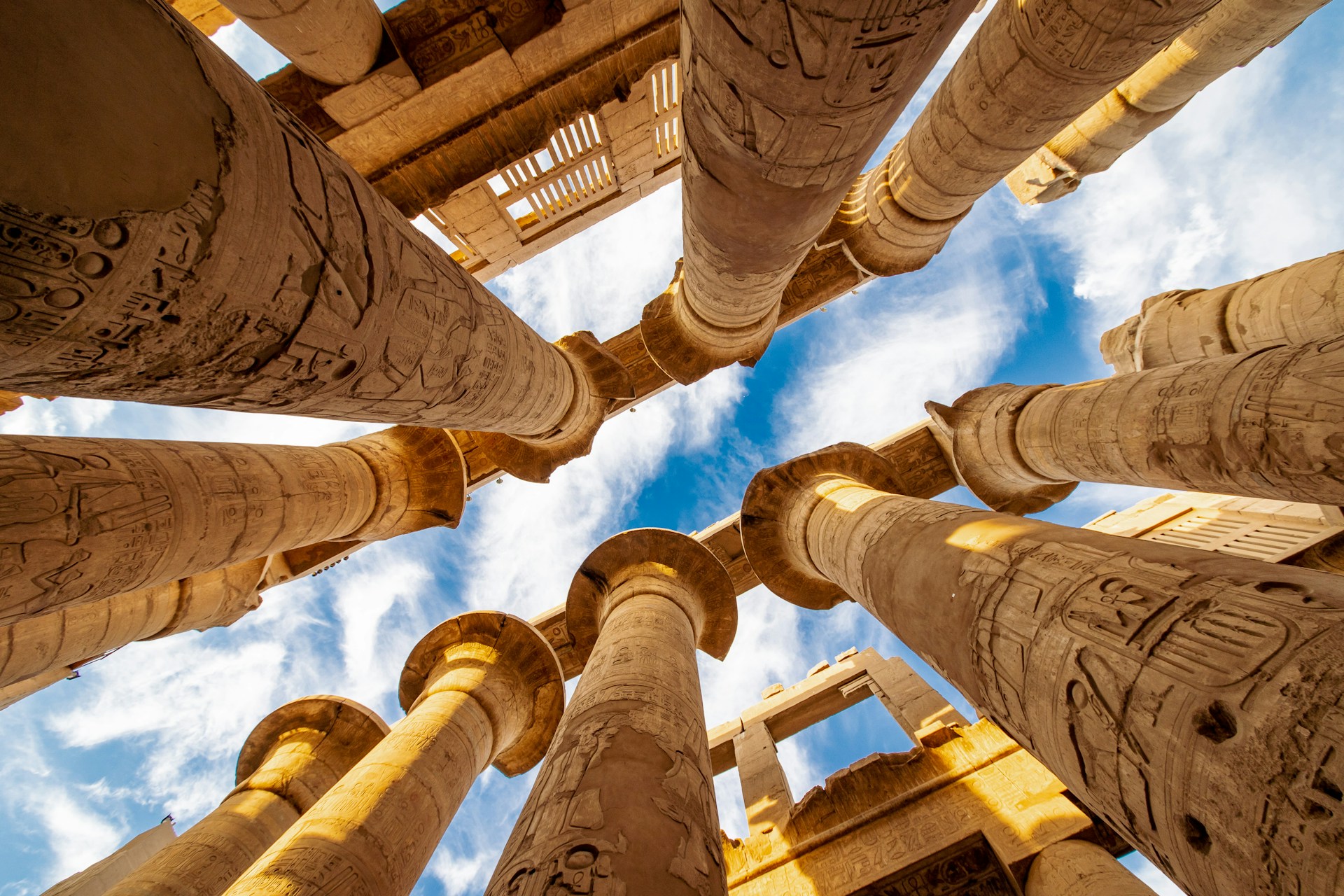
Egypt sits at the center of some of the Bible's most pivotal narratives, from Joseph's rise in Pharaoh's court to the Exodus itself. The region historically associated with the biblical Land of Goshen, in the eastern Nile Delta, is where many traditions place the Israelites' settlement before their departure, and while the exact route of the Exodus remains debated among scholars, sites like Mount Sinai in the southern Sinai Peninsula draw pilgrims who walk the same terrain tradition assigns to Moses.
St. Catherine's Monastery, built at the base of Mount Sinai and among the oldest continuously operating Christian monasteries in the world, holds a library of ancient manuscripts that pilgrims and historians alike travel specifically to see.
Ethiopia: Home of the Ark, According to Tradition
Ethiopian tradition holds that the Ark of the Covenant rests in the Church of Our Lady Mary of Zion in Aksum, brought there according to legend by Menelik I, the son of King Solomon and the Queen of Sheba. Access to the Ark itself is restricted to a single guardian monk, but the surrounding churches and the story itself draw faithful visitors from around the world, regardless of whether the tradition can be independently verified.
Lalibela's eleven rock-hewn churches, carved directly into volcanic stone in the twelfth century, remain active places of worship rather than historical sites frozen in time, and pilgrims still gather there for major religious festivals throughout the year.
Sudan: Nubia and the Kingdom of Kush
The biblical Kush, referenced repeatedly throughout the Old Testament, corresponds to ancient Nubia in what is now northern Sudan, home to pyramids that predate and, in some cases, outnumber Egypt's own. Standing among the pyramids of Meroe, far less crowded than their Egyptian counterparts, gave us a strong sense of a biblical-era civilization that rarely gets the attention its scriptural mentions would suggest it deserves.
The Nile's Sacred Geography
The Nile River threads through much of this biblical geography, from the Exodus narrative to the broader story of Egypt's role throughout the Old Testament. Traveling along the river by boat, passing through landscapes that have remained visually similar for millennia, offered a rare sense of continuity between the biblical text and the physical world it describes.
Practical Considerations for Faith-Based Travel
Visiting these sites as a person of faith is a fundamentally different experience than standard sightseeing, and we found that hiring guides with genuine religious or historical expertise, rather than general tour operators, made an enormous difference in depth and context. Some sites, like the inner sanctuary in Aksum, restrict access entirely, so understanding those boundaries in advance helps set realistic expectations before arriving.
Planning a Biblical Africa Itinerary
Ethiopia and Egypt pair naturally for a faith-focused trip, connected by short flights and complementary religious histories spanning both the Old and New Testaments. Sudan requires more advance logistical planning due to limited tourism infrastructure, but the relative lack of crowds at sites like Meroe makes the additional effort worthwhile for travelers seeking a quieter, more contemplative experience.